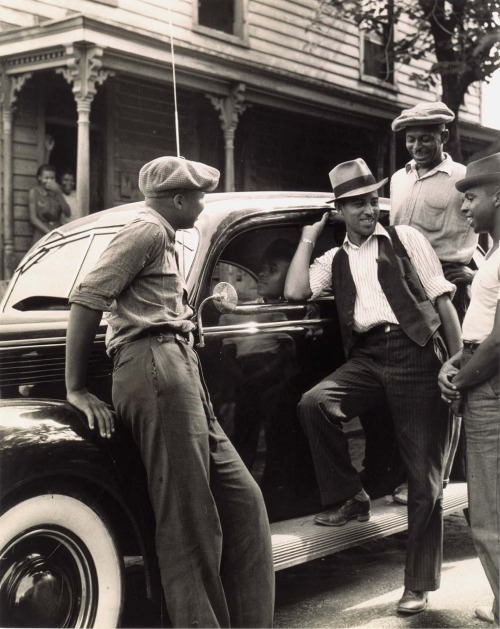
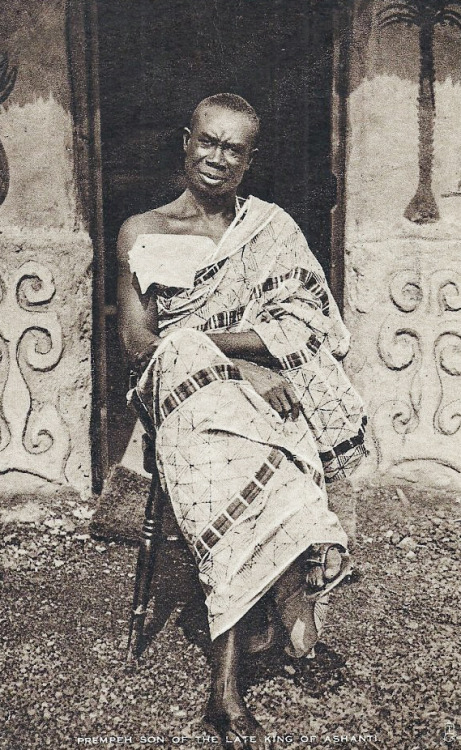
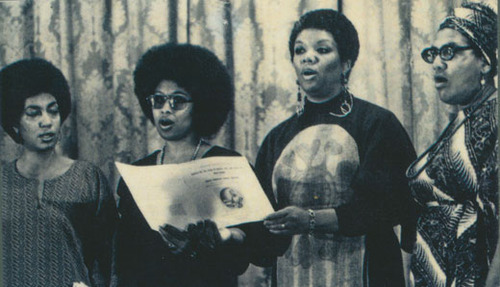
The Museum of Anthropology (MOA) at UBC opens a window into the lives and struggles of Cubans of African descent in its new exhibition Without Masks: Contemporary Afro-Cuban Art on display from May 2 to November 2. This remarkable exhibition has assembled a diverse group of Cuban contemporary artists devoted to two fascinating themes: on the one hand, an insight into contemporary Afro-Cuban cultural and religious traditions and, on the other, an intense dialogue on the complex racial issues affecting the country today.
.jpg)
Above: Juan Carlos Alom, Sin Palabras (Without Words), 2008.
Digital print laminated on PVC, edition 1 of 3.
Orlando Hernández, formerly of the Museo Nacional de Bellas Artes in Havana, curated Without Masks following his own rigorous criteria. Focusing beyond aesthetic, the exhibit favours originality and the profoundness of the works' sociological, historical, anthropological, religious, ethical and political messages.
"There is a very strong African tradition in Cuba. We inherited many religious practices from Africa—Palo Monte, Santeria, Ifá, Abakuá—and there are a lot of Cubans of direct or mixed African descent," says Hernández. "In Without Masks we seek to make new and deeper studies of those cultural, aesthetic, symbolic, and religious legacies that we share and take for granted, without forgetting that we have received them from black sub-Saharan Africa."


.jpg)
.jpg)
.jpg)
.jpg)